
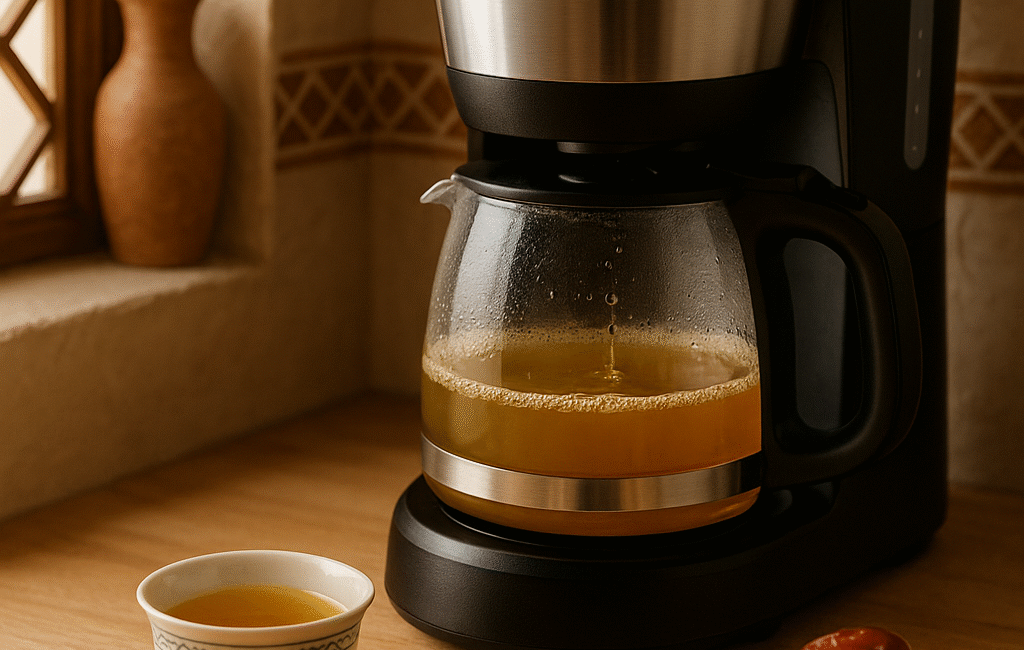
How to make coffee in a coffee maker Saudi arabia

Making great coffee at home with a coffee maker in Saudi Arabia requires understanding your local conditions and having the right approach. If you’re a coffee lover in the Kingdom looking to brew barista-quality coffee from your kitchen, you’re in the right place.
This coffee brewing guide will help you navigate everything from choosing the best coffee maker Saudi Arabian homes need to mastering your daily brewing routine. The desert climate and water quality in Saudi Arabia create unique challenges that affect how your coffee tastes, but with the right knowledge, you can overcome these easily.
We’ll walk you through selecting the perfect drip coffee maker setup for your home and show you how to gather all the coffee making supplies you need. You’ll also learn the essential coffee brewing process that works best in Saudi conditions, plus discover simple coffee maker maintenance tips that will keep your machine running smoothly for years. Finally, we’ll explore ways to blend your home coffee brewing with traditional Saudi Arabian coffee culture for a truly authentic experience.
Choose the Right Coffee Maker for Saudi Arabian Conditions

Select Heat-Resistant Models for Extreme Temperatures
Your coffee maker Saudi Arabia choice needs to withstand the country’s intense heat, where summer temperatures regularly exceed 45°C (113°F). When shopping for the best coffee maker Saudi, look for models made with high-grade stainless steel or reinforced plastics that won’t warp or crack under extreme conditions. Thermal carafes work exceptionally well because they maintain coffee temperature without constantly heating the base, reducing strain on internal components.
Glass carafes, while aesthetically pleasing, can become problematic in Saudi’s climate. The extreme temperature variations between air-conditioned interiors and outdoor heat can cause thermal shock, leading to cracks or complete breakage. Instead, opt for double-walled thermal carafes that keep your coffee hot while protecting the vessel from temperature fluctuations.
Pay special attention to the heating element’s quality. Cheaper models often use heating plates that struggle in high ambient temperatures, consuming more energy and breaking down faster. Premium coffee makers feature advanced heating systems designed to operate efficiently regardless of external temperature conditions.
Consider Water Filtration Capabilities for Local Water Quality
Saudi Arabia’s water quality varies significantly across regions, making filtration capabilities crucial for your home coffee brewing. Municipal water often contains high mineral content and chlorine, which can dramatically affect your coffee’s taste and damage your machine over time. When learning how to make coffee properly, water quality ranks among the most important factors.
Built-in water filtration systems remove chlorine, sediment, and excess minerals that create scale buildup. This feature becomes even more valuable in areas where desalinated water is common, as it often has inconsistent mineral profiles. Look for coffee makers with replaceable carbon filters or consider models compatible with external water filtration systems.
Hard water, common in many Saudi regions, causes mineral deposits that clog internal components and reduce your machine’s lifespan. Coffee makers with descaling alerts and easy-access water reservoirs make maintenance simpler. Some premium models include water quality sensors that adjust brewing parameters automatically based on your local water conditions.
Pick Energy-Efficient Options for Cost Savings
Electricity costs in Saudi Arabia make energy efficiency a practical consideration for any coffee brewing guide. Programmable coffee makers with auto-shut-off features prevent unnecessary energy consumption, especially important when you’re rushing to work in the morning heat. Look for models with Energy Star ratings or similar efficiency certifications.
Thermal carafes eliminate the need for hot plates, significantly reducing ongoing energy usage. While the initial investment might be higher, these models save money long-term through lower electricity bills. Single-serve pod machines might seem convenient, but they typically use more energy per cup than traditional drip coffee maker setup configurations.
Consider your daily coffee consumption when evaluating energy efficiency. Large-capacity brewers make sense for families or offices, while smaller 4-6 cup models work better for individual use. Many modern coffee makers include eco-modes that optimize energy usage based on your brewing schedule.
Evaluate Durability for Sandy Environments
Desert sand poses unique challenges that your coffee maker maintenance routine must address. Fine particles infiltrate electronic components, clog air vents, and accumulate around moving parts. Choose coffee makers with sealed electronics and smooth surfaces that resist sand accumulation. Models with removable parts make cleaning easier when sand inevitably finds its way inside.
Stainless steel construction provides superior sand resistance compared to plastic alternatives. The smooth surface prevents sand from adhering and scratching the exterior. Internal components should be well-protected, with minimal exposed electronics that could be damaged by fine particles carried by desert winds.
Regular cleaning becomes essential in sandy environments. Coffee makers with dishwasher-safe components simplify maintenance, while those requiring only hand-washing need easy access to all surfaces. Models with simple, streamlined designs typically perform better long-term in dusty conditions than those with complex external features that trap sand and debris.
Gather Essential Coffee Making Supplies

Your coffee journey begins with selecting the right beans that match the rich coffee culture found throughout Saudi Arabia. Local preferences tend to favor medium to dark roast profiles, which complement the traditional Arabic coffee experience while working beautifully in modern drip coffee makers.
Visit specialty coffee shops in major cities like Riyadh, Jeddah, or Dammam to explore locally roasted options. Many Saudi roasters now offer single-origin beans from Yemen, Ethiopia, and Brazil that deliver the robust flavors your coffee maker can extract perfectly. Look for beans with roast dates within two to four weeks of your purchase date – this ensures maximum freshness and flavor potential.
Consider these popular bean varieties that work exceptionally well in your coffee maker Saudi Arabia setup:
- Yemeni Mocha beans: Offer wine-like acidity with chocolate undertones
- Ethiopian Harar: Delivers fruity and floral notes with medium body
- Brazilian Santos: Provides nutty, chocolatey flavors with low acidity
- Colombian Supremo: Brings balanced sweetness with caramel notes
Store your beans in airtight containers away from direct sunlight and heat. The intense Saudi Arabian climate makes proper storage crucial for maintaining bean quality. Avoid keeping coffee in your refrigerator, as moisture can damage the beans and affect your brewing results.
Use filtered or bottled water for optimal flavor
Water quality directly impacts your final cup, and this becomes especially important when following any coffee brewing guide in Saudi Arabia’s unique environment. Tap water varies significantly across different regions, with some areas having high mineral content that can interfere with extraction and leave unwanted tastes in your coffee.
Invest in a quality water filtration system or consistently use bottled water for your coffee making supplies. The ideal water for coffee brewing should have a total dissolved solids (TDS) level between 75-150 ppm. Most Saudi tap water exceeds these levels, making filtration essential for the best coffee maker Saudi experience.
Here’s what you need to know about water selection:
| Water Type | TDS Level | Flavor Impact | Cost Factor |
|---|---|---|---|
| Tap Water (Saudi) | 200-400+ ppm | Mineral interference | Low |
| Filtered Water | 75-150 ppm | Clean, balanced | Medium |
| Bottled Water (Low mineral) | 50-100 ppm | Pure extraction | High |
| Distilled Water | 0 ppm | Flat, over-extracted | Medium |
Temperature matters just as much as quality. Heat your water to 195-205°F (90-96°C) for optimal extraction. If you don’t have a thermometer, bring water to a boil and let it sit for 30 seconds before pouring it into your coffee maker.
Prepare measuring tools for precise ratios
Consistency separates good coffee from great coffee, making precise measurements a cornerstone of your home coffee brewing tips routine. Your coffee maker setup requires specific tools that help you achieve the same delicious results every single morning.
Essential measuring tools for your coffee making supplies include:
Digital Kitchen Scale: This is your most important tool for precise brewing. Measure both coffee and water by weight rather than volume. The standard ratio for drip coffee makers is 1:15 to 1:17 (coffee to water). For example, 30 grams of coffee to 450-510 grams of water produces about 2-3 cups.
Coffee Scoop or Tablespoon: When a scale isn’t available, use a standard coffee scoop (approximately 2 tablespoons) for every 6 ounces of water. Keep in mind that different bean densities affect volume measurements, making weight-based measuring more reliable.
Liquid Measuring Cup: Mark your coffee maker’s water reservoir to understand exact volumes. Many coffee makers have inaccurate cup markings, so knowing your specific machine’s measurements improves consistency.
Timer: Track your brewing time to ensure proper extraction. Most drip coffee makers take 4-6 minutes for a complete brew cycle. If your machine brews faster or slower, you might need to adjust your grind size accordingly.
Keep a coffee brewing log during your first few weeks. Note your ratios, grind settings, and taste preferences. This documentation helps you perfect your technique and replicate your best results consistently.
Set Up Your Coffee Maker Properly

Position Away From Direct Sunlight and Heat Sources
Finding the perfect spot for your coffee maker Saudi Arabia setup requires careful consideration of your kitchen environment. You want to place your machine away from windows where harsh desert sunlight streams in throughout the day. Direct sunlight doesn’t just heat up your coffee maker unnecessarily – it can actually damage internal components and affect the brewing temperature consistency that’s crucial for great coffee.
Keep your drip coffee maker setup at least three feet away from your stove, oven, or any other heat-generating appliances. Saudi Arabia’s already warm climate means your kitchen gets plenty of ambient heat, so you don’t need additional sources making your coffee maker work harder than necessary. Heat sources can also create temperature fluctuations that mess with your brewing precision.
Choose a counter space that stays relatively cool throughout the day. Corner spots often work well since they’re typically shielded from multiple heat sources. If your kitchen faces west and gets intense afternoon sun, consider the morning light patterns too – you want consistent conditions for your daily coffee brewing process.
Clean Thoroughly Before First Use
Your new coffee maker needs a proper deep clean before brewing your first cup. Start by removing all removable parts – the carafe, filter basket, and water reservoir. Wash these components with warm, soapy water and rinse thoroughly. Even brand-new machines can have manufacturing residue or dust from packaging and shipping.
Run a complete brewing cycle using just water to flush out the internal system. Fill the water reservoir completely and let the machine run through its full cycle without coffee grounds. This initial flush removes any lingering tastes from manufacturing processes or storage.
For the best coffee maker Saudi results, repeat this water-only cycle twice. The second rinse ensures your first real cup won’t have any off-flavors. Pay special attention to the water lines and heating elements – these areas often harbor the most residue from factory testing.
Wipe down the exterior with a damp cloth, focusing on the heating plate and any electronic displays. Don’t use harsh chemicals or abrasive cleaners that could damage the finish or electronic components.
Check Electrical Compatibility With Saudi Power Standards
Saudi Arabia operates on 220-240V electrical systems, which differs from many coffee makers designed for other markets. Before plugging in your machine, verify the voltage requirements printed on the unit or in the manual. Using a coffee maker designed for 110V systems without a proper converter can damage the machine permanently or create safety hazards.
Look for the electrical specifications label, usually found on the bottom or back of your coffee maker. You need a machine rated for 220-240V and 50Hz frequency to match Saudi power standards. Most modern coffee makers sold in the region are already compatible, but imported units might need attention.
| Power Specification | Saudi Standard | What to Check |
|---|---|---|
| Voltage | 220-240V | Machine label/manual |
| Frequency | 50Hz | Technical specifications |
| Plug Type | Type G (3-pin) | Physical plug shape |
If your coffee maker uses a different plug type, you’ll need a proper adapter – not just a plug converter. The electrical load requirements for heating elements in coffee makers are significant, so cheap adapters won’t handle the power draw safely.
Ensure Proper Ventilation Around the Machine
Your coffee maker generates both heat and steam during the brewing process, making proper airflow essential for safe operation and longevity. Leave at least six inches of clearance on all sides of your machine, with extra space above if you have overhead cabinets.
The area behind your coffee maker needs special attention since most units have rear ventilation slots. Don’t push the machine flush against the wall – maintain at least four inches of space for air circulation. This prevents heat buildup that can damage internal components and ensures the cooling fans can work effectively.
Consider the humidity levels in your kitchen, especially during Saudi Arabia’s more humid months. Good ventilation helps prevent moisture buildup that can affect electrical components and create conditions for mold growth in hard-to-clean areas.
Keep the space around your coffee making supplies organized and uncluttered. Avoid storing items directly above the machine where steam can reach them, and don’t place anything on top of the coffee maker that could block ventilation ports or interfere with the lid opening mechanism.
Master the Perfect Coffee Brewing Process

Measure Coffee Grounds Using the Golden Ratio
Getting your coffee-to-water ratio right makes all the difference between a perfect cup and a disappointing brew. The golden ratio for coffee brewing is 1:15 to 1:17, meaning one gram of coffee for every 15-17 grams of water. If you don’t have a scale, use two tablespoons of ground coffee for every six ounces of water as your starting point.
Your coffee maker’s capacity determines how much you’ll need. For a standard 12-cup coffee maker, you’ll want about 12-15 tablespoons of ground coffee. Start with this measurement and adjust based on your taste preferences. If your coffee tastes weak, add more grounds. If it’s too strong or bitter, reduce the amount slightly.
The grind size plays a crucial role in extraction. For most drip coffee makers popular in Saudi Arabia, aim for a medium grind that looks similar to coarse sea salt. Too fine, and you’ll over-extract, creating bitter flavors. Too coarse, and you’ll under-extract, resulting in weak, sour notes.
Store your coffee grounds in an airtight container away from direct sunlight, which is especially important in Saudi Arabia’s climate. Pre-ground coffee loses flavor quickly in humid conditions, so consider grinding beans fresh if possible.
Add Water at Optimal Temperature
Water temperature dramatically impacts your coffee’s flavor profile. The ideal brewing temperature ranges between 195°F and 205°F (90°C to 96°C). Most quality coffee makers heat water to this range automatically, but you can verify with a thermometer if you’re unsure about your machine’s performance.
In Saudi Arabia’s hot climate, your tap water might already be warmer than in other regions. Cold, filtered water still works best as your starting point. Your coffee maker will heat it to the proper temperature during the brewing process. Avoid using hot tap water, as it can taste metallic and may not reach the optimal brewing temperature.
Water quality significantly affects taste. Saudi Arabia’s water can be quite hard in many regions, containing high mineral content. Consider using filtered water if your tap water has a strong taste or leaves mineral deposits in your coffee maker. The minerals in water do contribute to extraction, but too many can overwhelm your coffee’s natural flavors.
Fill your coffee maker’s reservoir with cold, filtered water up to the desired level. Most machines have clear markings showing cup measurements. Remember that “cups” on coffee makers typically refer to 6-ounce servings, not standard 8-ounce cups.
Time Your Brewing Cycle for Maximum Flavor Extraction
The brewing time for most drip coffee makers ranges from 4 to 6 minutes for optimal extraction. Your coffee maker should automatically control this timing, but understanding the process helps you identify when something isn’t working correctly.
During the first minute, your coffee grounds bloom as hot water saturates them, releasing carbon dioxide. This creates the foundation for flavor extraction. The next 3-4 minutes involve the actual brewing, where water pulls oils, acids, and other compounds from the grounds.
If your coffee maker brews too quickly (under 4 minutes), your coffee will likely taste weak and underdeveloped. This could indicate a problem with your machine or that your grind is too coarse. Conversely, if brewing takes longer than 7 minutes, you might be over-extracting, leading to bitter, harsh flavors.
Pay attention to your machine’s brewing pattern. The water should drip steadily, not in rapid bursts or slow trickles. A consistent drip rate ensures even extraction across all your coffee grounds.
Monitor the Brewing Process for Consistent Results
Watching your coffee maker during the brewing cycle helps you catch potential issues early. Listen for normal operational sounds – a gentle bubbling or gurgling indicates proper water heating and flow. Unusual noises might signal maintenance needs.
Check that water flows evenly over your coffee grounds. Some machines have shower heads that distribute water uniformly, while others might have hot spots that create uneven extraction. If you notice water pooling in one area of your filter basket, gently shake the machine to redistribute the grounds.
Your coffee’s color as it brews provides valuable feedback. It should start dark and rich, then gradually lighten as extraction continues. If the coffee appears too light from the beginning, you might need more grounds or a finer grind. If it looks almost black throughout the entire cycle, consider using fewer grounds or a coarser grind.
Keep track of variables that affect your results: the amount of coffee used, water level, grind size, and even room temperature. Saudi Arabia’s varying seasonal temperatures can affect your coffee maker’s performance, so slight adjustments throughout the year help maintain consistency.
Clean your coffee maker regularly to prevent buildup that can affect brewing time and temperature. In Saudi Arabia’s climate, mineral deposits form more quickly, making regular maintenance even more important for consistent coffee brewing results.
Maintain Your Coffee Maker for Longevity

Clean Daily Components After Each Use
Your coffee maker Saudi Arabia investment deserves proper daily care to keep delivering that perfect cup. After each brewing session, you’ll want to tackle the basic cleaning routine that takes just a few minutes but saves you hours of deep cleaning later.
Start with the carafe and filter basket – these are your coffee maker’s workhorses. Rinse the carafe with warm water immediately after pouring your last cup. Don’t let coffee residue sit and stain the glass or thermal lining. The filter basket needs the same attention. Remove any used paper filter and rinse away coffee grounds under running water. A quick scrub with a soft sponge removes oils that can turn rancid and affect your coffee’s taste.
The water reservoir often gets overlooked, but it’s where bacteria can multiply in Saudi’s warm climate. Empty any remaining water daily and wipe down the interior with a damp cloth. The exterior needs attention too – coffee spills and dust from Saudi’s environment can build up on the heating plate and control panel.
Your daily cleaning checklist should include wiping down the heating plate while it’s cool, cleaning the exterior with appropriate cleaner, and ensuring the lid and spout are spotless. This routine prevents the bitter, off-flavors that come from neglected equipment.
Descale Monthly to Prevent Mineral Buildup
Saudi Arabia’s water contains minerals that create serious problems for your coffee brewing process. Calcium and magnesium deposits accumulate inside your coffee maker’s internal components, slowing water flow and affecting temperature control. Monthly descaling isn’t optional – it’s essential for maintaining your machine’s performance.
White vinegar works perfectly for descaling and costs a fraction of commercial products. Mix equal parts white vinegar and water, filling your reservoir completely. Run a complete brew cycle without coffee, letting the solution work through all internal passages. The acidic vinegar dissolves mineral deposits that restrict water flow.
After the vinegar cycle completes, you’ll need at least two full cycles with plain water to remove any residual taste. Don’t skip this step – nobody wants vinegar-flavored coffee. Some coffee maker maintenance guides suggest using commercial descaling solutions, but vinegar proves just as effective for home use.
Watch for descaling signs between monthly sessions. If your coffee maker takes longer to brew or makes unusual noises, mineral buildup might be accelerating due to your local water conditions. Areas with particularly hard water might need bi-weekly descaling.
Replace Filters Regularly for Pure Taste
Your coffee maker’s filters play a crucial role in delivering clean, great-tasting coffee. Paper filters should be replaced with each brew – never reuse them. Used filters harbor coffee oils and particles that create bitter, stale flavors in subsequent batches.
If your coffee maker features a built-in water filter, replacement schedules depend on your usage and water quality. Saudi’s water conditions often require more frequent changes than manufacturer recommendations suggest. A good rule is replacing water filters every 60 days or after brewing 60 pots, whichever comes first.
Quality matters when selecting replacement filters. Cheap paper filters can tear during brewing, allowing grounds into your coffee. They might also impart papery tastes that mask your coffee’s natural flavors. Invest in high-quality, bleached or natural brown paper filters designed for your specific coffee maker model.
Store extra filters in a dry location away from strong odors. Saudi’s humidity can affect paper filters, making them tear easily during use.
Store Properly in Saudi’s Dusty Environment
Saudi Arabia’s dusty conditions create unique storage challenges for your coffee maker. Dust penetrates small openings and settles on heating elements, affecting performance and potentially creating health concerns.
When your coffee maker isn’t in daily use, cover it with a clean cloth or store it in a cabinet with doors. This simple step prevents dust accumulation on sensitive components like the heating plate and control panel. Kitchen counters near windows or high-traffic areas collect more dust, so consider relocating your setup if possible.
The water reservoir deserves special attention in dusty environments. Always empty it completely and leave the lid open to air dry when not brewing. Trapped moisture combined with dust creates perfect conditions for bacteria growth.
Clean storage areas regularly and consider using air purifiers in your kitchen to reduce overall dust levels.
Troubleshoot Common Issues Quickly
Quick problem-solving keeps your coffee maker running smoothly and prevents minor issues from becoming expensive repairs. Most problems have simple solutions you can handle without professional help.
Slow brewing usually indicates mineral buildup requiring immediate descaling. If descaling doesn’t solve the problem, check for clogs in the shower head where water exits onto coffee grounds. A toothpick can clear small blockages safely.
Temperature problems often stem from heating plate issues. If your coffee isn’t hot enough, ensure the heating plate is clean and free from mineral deposits. Cold spots on thermal carafes might indicate seal problems requiring replacement.
Unusual noises during brewing typically signal air bubbles in the water lines or loose internal components. Running several water-only cycles often resolves air bubble issues. Persistent rattling might indicate loose screws that need tightening.
Water leaking from your coffee maker demands immediate attention. Check all connections, gaskets, and the carafe placement. Most leaks come from worn seals that are inexpensive to replace.
Enhance Your Coffee Experience with Local Touches

Incorporate Traditional Saudi Spices Like Cardamom
Your morning coffee becomes a celebration of Saudi Arabian coffee culture when you add traditional spices. Cardamom stands as the star of Saudi coffee enhancement, transforming your regular cup into an aromatic experience that connects you to centuries of coffee tradition. You’ll want to start with whole green cardamom pods rather than pre-ground powder for the freshest flavor.
Crack open 2-3 cardamom pods and add them directly to your coffee grounds before brewing. The pods release their essential oils during the brewing process, infusing your coffee with that distinctive sweet and slightly citrusy flavor that defines Arabic coffee. You can also grind the cardamom seeds with your coffee beans for a more integrated taste profile.
Beyond cardamom, you can experiment with other traditional spices that complement your home coffee brewing. A pinch of saffron adds luxury and a golden hue to your brew, while a small piece of cinnamon stick provides warmth and sweetness. Some Saudi coffee enthusiasts add a single clove for extra depth, but use this sparingly as it can overwhelm the coffee’s natural flavors.
The key lies in balance – you want these spices to enhance rather than mask your coffee’s characteristics. Start with small amounts and adjust according to your taste preferences. Remember that spices become more potent when ground fresh, so consider investing in a small spice grinder dedicated to your coffee making supplies.
Serve in Authentic Arabic Coffee Cups
The vessels you choose for serving your coffee significantly impact the entire experience. Traditional Arabic coffee cups, known as finjan or small glass cups, aren’t just decorative choices – they’re designed specifically for the Saudi Arabian coffee culture and enhance both flavor and ritual.
These small cups, typically holding 2-3 ounces, encourage slower, more mindful coffee consumption. The size allows you to savor each sip while maintaining the optimal temperature throughout your drinking experience. Glass cups showcase the rich color of your freshly brewed coffee, while porcelain versions with intricate designs add elegance to your coffee ritual.
You’ll notice that authentic Arabic coffee service involves offering multiple small servings rather than one large cup. This tradition encourages conversation and extends the coffee experience into a social event. Keep your cups warm by rinsing them with hot water before pouring your coffee – this simple step maintains temperature and shows respect for the brewing process you’ve mastered.
Consider investing in a traditional coffee serving tray along with your cups. The complete set creates an authentic presentation that honors Saudi coffee traditions while making your home coffee brewing feel special every day.
Adjust Brewing Strength for Regional Preferences
Saudi Arabian coffee preferences lean toward stronger, more robust flavors compared to many Western brewing styles. When using your coffee maker in Saudi Arabia, you’ll want to adjust your coffee-to-water ratio to match these regional tastes. A good starting point involves using roughly 2 tablespoons of ground coffee per 6 ounces of water, but many Saudi coffee lovers prefer an even stronger concentration.
Your drip coffee maker setup should accommodate these stronger brewing preferences. Choose medium to dark roast coffee beans that can stand up to the increased ratio without becoming bitter. The longer extraction time in drip coffee makers actually works in your favor here, as it allows for full flavor development that matches regional expectations.
Pay attention to your water temperature as well – Saudi preferences often favor slightly hotter brewing temperatures that extract more oils and create a fuller body. Most quality coffee makers maintain proper temperature automatically, but if yours has adjustable settings, aim for water temperatures between 195-205°F.
The grind size also plays a crucial role in achieving the preferred strength. A medium-fine grind works best for most drip coffee makers while still allowing you to achieve that robust flavor profile. Experiment with different grind sizes until you find the perfect balance between strength and smooth extraction that satisfies regional taste preferences while avoiding over-extraction and bitterness.
Making great coffee at home becomes second nature once you get the basics down. You’ve learned how to pick a coffee maker that works well in Saudi Arabia’s unique climate, gathered all the right supplies, and mastered the brewing steps that create that perfect cup. Remember that regular cleaning and maintenance will keep your machine running smoothly for years to come.
Your coffee journey doesn’t stop here – experiment with local flavors like cardamom or dates to create something uniquely yours. Start with quality beans, measure your water carefully, and don’t rush the process. With these techniques in your back pocket, you’ll be brewing café-quality coffee right in your own kitchen every single morning.
You can check out the best coffee shops nearby – Click Here


Leave a Comment