
How to Descale Breville Coffee Machines in Saudi Arabia (Hard Water Edition)
Living in Saudi Arabia means dealing with some of the hardest water in the world. As a coffee lover who’s watched expensive Breville machines suffer from heavy mineral buildup, I’ve learned that knowing how to Descale Breville Coffee Machine models regularly isn’t optional here—it’s essential for survival.
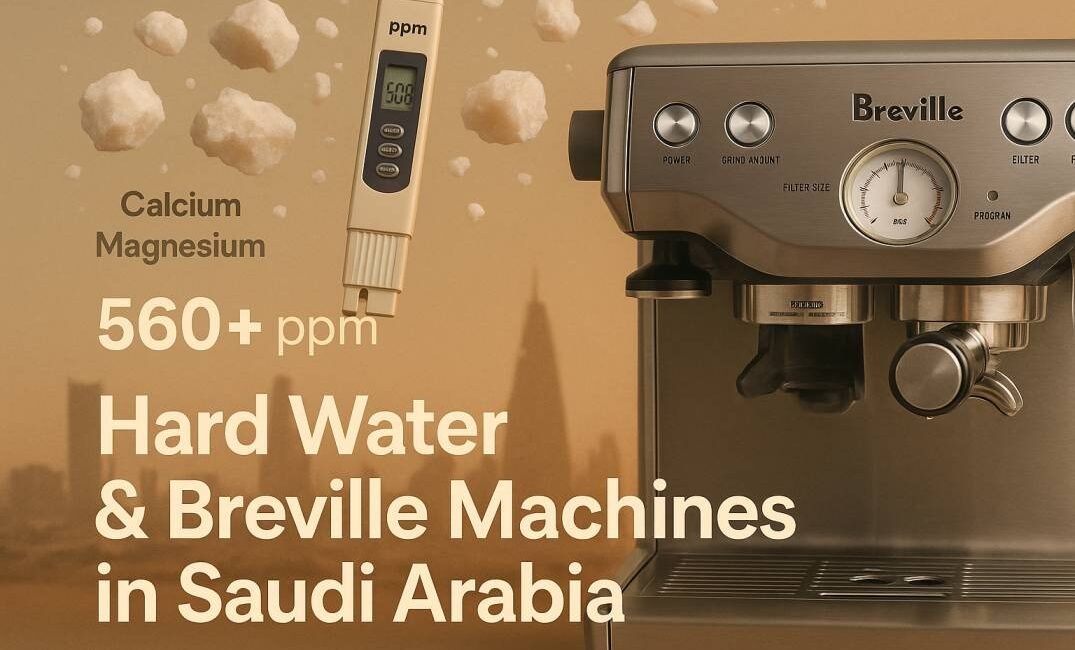
The mineral content in Saudi tap water is extremely high, often exceeding 500 parts per million. This means scale builds up in your coffee machine much faster than in other countries. What might take months elsewhere happens in weeks here. Your beautiful Breville machine can go from perfect espresso to bitter, slow extractions in no time.
I’ve seen too many fellow coffee enthusiasts ignore descaling until their machines started making strange noises or stopped working entirely. Don’t let this happen to you.
What Is Descaling & Why It Matters

Descaling removes mineral deposits that accumulate inside your coffee machine’s internal water pathways. These deposits, primarily calcium and magnesium, form a hard, chalky substance called scale.
Signs You Need Descaling
Your Breville machine will tell you when it needs attention. Watch for these warning signs:
- Slower water flow during brewing
- Strange gurgling or bubbling sounds
- Water temperature that seems cooler than usual
- White, chalky deposits visible around water outlets
- Your machine’s descaling light turns on (if equipped)
- Coffee tastes increasingly bitter or metallic
In Saudi Arabia, I typically notice the first signs within 2-3 weeks of regular use. The speed surprised me initially, but it makes sense given our water conditions.
Taste Impact + Machine Damage
Scale doesn’t just affect your machine—it ruins your coffee experience. Mineral buildup restricts water flow, leading to under-extraction and weak, sour coffee. The deposits also trap old coffee oils, creating bitter, unpleasant flavors.
More seriously, scale can permanently damage your machine. It clogs internal pipes, strains the water pump, and reduces heating element efficiency. I’ve witnessed several Breville machines require expensive repairs simply because owners delayed descaling too long.
The heating elements are particularly vulnerable. Scale acts as insulation, forcing them to work harder and eventually burn out. A simple descaling routine costs much less than replacing internal components.
What You Need
Gathering the right supplies makes descaling straightforward and safe for your machine.
Breville-approved descaler is your most important tool. While homemade solutions like vinegar seem tempting, they can damage internal seals and leave lingering odors. Breville’s descaler formula is specifically designed for their machines’ materials and effectively dissolves the mineral types common in Saudi water.
You’ll also need:
- Fresh water – Use bottled water for the final rinse if possible
- Large container – At least 1.5 liters capacity to catch water during the process
- Clean towels – For wiping surfaces and handling spills
- Measuring cup – To mix descaler solution accurately
Keep these supplies together in a dedicated cleaning kit. Having everything ready makes it easier to maintain your regular descaling schedule.
How to Descale Breville Barista Express / Pro
The Barista Express and Pro models share similar descaling procedures. This process typically takes 45-60 minutes, but most of that time is hands-off.
Step 1: Empty and clean the water tank, then fill it with the descaler solution. Mix according to package directions—typically one part descaler to ten parts water.
Step 2: Remove the water filter if installed. Place a large container under the group head and steam wand.
Step 3: Turn on your machine and wait for it to heat up completely. Press and hold the program button until the descaling cycle begins (refer to your manual for specific button combinations, as they vary by model year).
Step 4: The machine will automatically pump descaler solution through internal pipes. This takes about 20 minutes. The solution will come out of both the group head and steam wand—this is normal.
Step 5: When the cycle pauses, empty the drip tray and container, then refill the water tank with fresh water.
Rinse Cycle
The rinse cycle is crucial for removing all descaler residue. Poor rinsing leaves chemical tastes in your coffee.
Step 6: Run the rinse cycle, which pumps fresh water through the same pathways. Do this at least twice, or until the water coming out has no chemical smell.
Step 7: Manually flush the steam wand by running steam for 30 seconds. This removes any descaler trapped in the milk system.
Step 8: Reinstall your water filter and run a test shot to ensure everything tastes normal.
I always run an extra rinse cycle beyond what the manual recommends. Given Saudi Arabia’s hard water, being thorough prevents problems later.

How to Descale Breville Barista Max
The Barista Max uses a slightly different approach since it’s a drip coffee machine rather than an espresso maker.
Step 1: Prepare your descaler solution and fill the water reservoir. Remove the water filter if present.
Step 2: Place a large container under the coffee outlet. Make sure no coffee pod is inserted.
Step 3: Press and hold the descaling button (usually marked with a specific icon) until the descaling light turns on.
Step 4: The machine will heat up and begin pumping descaler solution. It will pause midway through—don’t interrupt this process.
Step 5: When complete, empty the container and refill the reservoir with fresh water.
Tips for Better Results
- Run the rinse cycle three times minimum. The Barista Max has more complex internal pathways that can trap descaler.
- Clean the coffee outlet and drip tray thoroughly during descaling. These areas collect mineral deposits too.
- If your machine hasn’t been descaled in months, consider running two complete descaling cycles back-to-back.
The Barista Max tends to accumulate scale around the coffee outlet faster than other models. I check this area weekly and wipe away any visible deposits.
Descaling Frequency in Saudi Cities
Different Saudi cities have varying water hardness levels, affecting how often you need to descale.
Riyadh
Riyadh’s water is exceptionally hard, with mineral content often exceeding 600 ppm. I recommend descaling every 2-3 weeks with daily use. The high calcium levels here create thick, stubborn scale that becomes difficult to remove if left too long.
Many Riyadh coffee shops descale their commercial machines weekly. While home machines handle less volume, the water quality demands frequent attention.
Jeddah
Jeddah’s coastal location doesn’t help its water quality. The combination of high minerals and salt content creates particularly corrosive conditions for coffee machines. Descale every 3-4 weeks, and pay extra attention to metal components that might show corrosion signs.
The humidity here also means scale forms faster on external surfaces. Regular external cleaning prevents buildup from becoming permanent.
Dammam
Eastern Province water varies significantly depending on your exact location and water source. Generally, plan for descaling every 3-4 weeks. However, if you notice signs of scale buildup sooner, don’t wait for the scheduled time.
Some Dammam residents report better results descaling every 2 weeks during summer months when water usage and mineral concentration increase.
How to Prevent Scale Buildup
Prevention is always easier than dealing with heavy scale deposits.
Use Filtered Water
Installing a quality water filter makes the biggest difference in extending time between descaling. Look for filters that specifically reduce calcium and magnesium levels.
I switched to filtered water after destroying one machine through neglect. The improvement in coffee taste was immediate, and descaling became much easier. The filter cost pays for itself by extending machine life.
Some Breville models include water filters in the tank. Replace these every 2 months in Saudi conditions—more frequently than the manufacturer typically recommends.

Empty Tank Daily
Don’t leave water sitting in your machine’s tank overnight. Stagnant water allows minerals to concentrate and settle. Fresh water daily reduces mineral buildup throughout the system.
This habit also prevents bacterial growth in warm, humid conditions common across Saudi Arabia.
Empty and refill the tank even if you haven’t used all the water. It takes 30 seconds and prevents many problems.
Regular external cleaning matters too. Wipe down all surfaces weekly, paying attention to areas where water droplets dry and leave mineral spots. These external deposits indicate what’s happening inside your machine.
Conclusion
Descaling your Breville coffee machine in Saudi Arabia isn’t just maintenance—it’s essential protection for your investment. The hard water conditions here demand more frequent attention than you might expect, but following a regular schedule prevents expensive damage and keeps your coffee tasting great.
Don’t wait for problems to appear. Set a calendar reminder based on your city’s water conditions, keep proper descaling supplies on hand, and treat descaling as part of your regular coffee routine. Your machine will reward you with years of perfect espresso.
For more detailed maintenance guides and troubleshooting tips for your specific Breville model, check out our complete coffee machine care resource.
Also read : Best Breville Coffee Machines in Saudi Arabia


1 Comment