
How Much Does It Really Cost to Open a Coffee Café in Saudi Arabia?
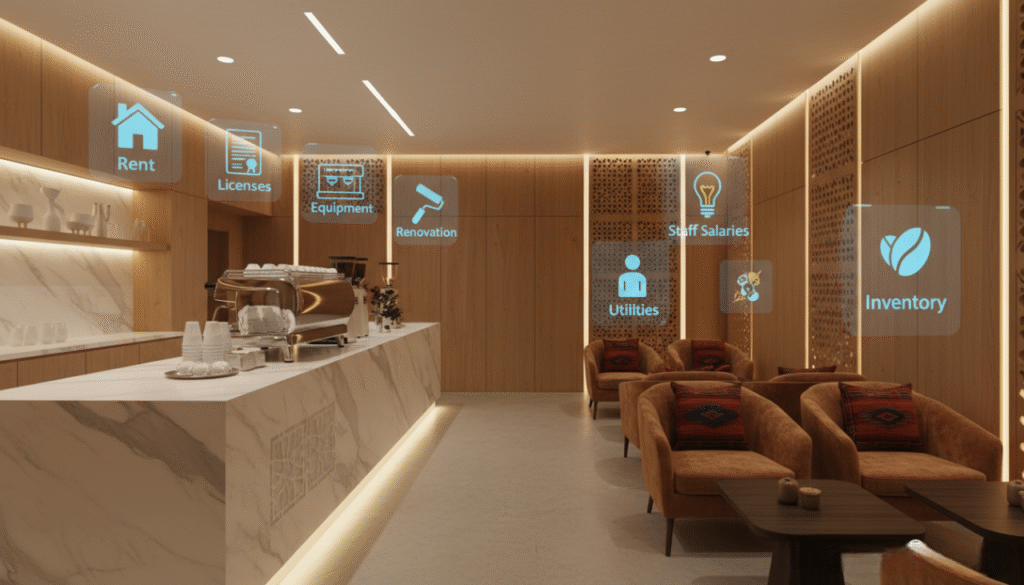
Opening a coffee café in Saudi Arabia requires careful financial planning and a clear execution roadmap, as startup costs can range significantly depending on location, size, and concept. If you are just beginning your journey, check out our 7-stage guide on How to start a coffee shop in Saudi Arabia.
The Saudi coffee industry has experienced remarkable growth, driven by changing consumer preferences and Vision 2030 initiatives supporting small businesses. However, cafe startup costs Middle East can be substantial, making accurate budgeting essential for success.
This analysis covers initial investment requirements, including equipment, renovation, and Saudi Arabia restaurant licensing costs. The guide also examines ongoing operational expenses such as rent, staffing, and inventory, plus Saudi-specific regulatory requirements that affect coffee business budget Saudi Arabia planning. Finally, discover proven cost-cutting strategies that help maximize return on investment while maintaining quality standards in this competitive market.
Initial Investment Requirements for Your Saudi Coffee Café
Commercial License and Legal Documentation Fees
Securing the necessary legal framework represents the foundation of any coffee shop business cost Saudi Arabia. The commercial license alone typically ranges from SAR 5,000 to SAR 15,000, depending on the business structure and location. Foreign investors face additional documentation requirements, with establishment costs potentially reaching SAR 25,000 when including chamber of commerce registration, municipality permits, and health department approvals.
The Saudi Arabian General Investment Authority (SAGIA) requires specific documentation for food service establishments. Legal consultation fees generally add another SAR 3,000 to SAR 8,000 to the initial budget. Companies must also obtain a tax registration certificate and VAT registration, which, while administratively free, often require professional assistance that costs between SAR 2,000 and SAR 4,000.
Trade name registration and intellectual property protection for the café brand adds approximately SAR 1,500 to SAR 3,000. Banks require these documents for business account opening, which carries setup fees of SAR 500 to SAR 1,200 depending on the chosen financial institution.
Location Rental Deposits and Monthly Costs
Prime commercial locations for opening a cafe in Saudi Arabia command substantial rental investments. Shopping mall spaces, considered premium locations for coffee businesses, typically require deposits equivalent to 6-12 months of rent. Monthly rental costs vary dramatically by city and district:
| Location Type | Riyadh (SAR/month) | Jeddah (SAR/month) | Dammam (SAR/month) |
|---|---|---|---|
| Mall Space | 15,000 – 35,000 | 12,000 – 30,000 | 8,000 – 20,000 |
| Street Level | 8,000 – 20,000 | 7,000 – 18,000 | 5,000 – 15,000 |
| Office Complex | 6,000 – 15,000 | 5,500 – 14,000 | 4,000 – 12,000 |
Security deposits often match 2-3 months of rent, while some landlords demand up to 6 months upfront. Real estate broker commissions typically range from 2.5% to 5% of the annual lease value. Utility connection fees for electricity, water, and internet services add another SAR 2,000 to SAR 5,000 to initial costs.
Interior Design and Renovation Expenses
Creating an attractive atmosphere drives customer retention and justifies premium pricing in the competitive Saudi coffee market. Professional interior design consultation ranges from SAR 150 to SAR 400 per square meter, while full design and project management services cost between SAR 800 and SAR 1,500 per square meter.
Basic renovation work for a 100-150 square meter space typically requires:
- Flooring (tiles, wood, or specialized materials): SAR 25,000 – SAR 45,000
- Wall treatments and paint: SAR 8,000 – SAR 15,000
- Ceiling work and lighting systems: SAR 15,000 – SAR 30,000
- Plumbing and electrical modifications: SAR 12,000 – SAR 25,000
- Air conditioning and ventilation: SAR 20,000 – SAR 40,000
Custom furniture and seating arrangements add SAR 30,000 to SAR 80,000, depending on quality and design complexity. Many café owners invest in Instagram-worthy décor elements, budgeting an additional SAR 10,000 to SAR 25,000 for artistic features and branded elements.
Essential Equipment and Machinery Purchases
Professional-grade equipment forms the operational backbone of any successful coffee shop investment Saudi. Commercial espresso machines represent the largest single equipment expense, ranging from SAR 25,000 for entry-level models to SAR 150,000 for premium Italian brands with multiple group heads.
Critical equipment purchases include:
Coffee Preparation Equipment:
- Commercial espresso machine: SAR 25,000 – SAR 150,000
- Commercial coffee grinders (2-3 units): SAR 8,000 – SAR 20,000
- Brewing equipment (pour-over, French press): SAR 2,000 – SAR 5,000
- Water filtration system: SAR 3,000 – SAR 8,000
Kitchen and Service Equipment:
- Commercial refrigerators and freezers: SAR 15,000 – SAR 35,000
- Display cases for pastries: SAR 8,000 – SAR 20,000
- Point-of-sale system: SAR 3,000 – SAR 8,000
- Sound system and technology: SAR 5,000 – SAR 15,000
Small Equipment and Supplies:
- Cups, plates, and serving ware: SAR 5,000 – SAR 12,000
- Initial inventory of coffee beans and supplies: SAR 8,000 – SAR 15,000
- Cleaning equipment and supplies: SAR 2,000 – SAR 4,000
Equipment financing options exist through Saudi banks, typically requiring 20-30% down payments with interest rates between 4-7% annually. Many suppliers offer package deals that can reduce overall costs by 10-15% compared to individual purchases.
Ongoing Operational Expenses You Must Budget For
Monthly Rent and Utility Bills
Commercial real estate costs represent one of the largest ongoing expenses for any cafe operational expenses Saudi Arabia. Prime locations in major cities like Riyadh, Jeddah, and Dammam command premium rental rates, typically ranging from SAR 150-400 per square meter monthly. High-traffic areas near shopping malls, business districts, and universities naturally cost more but offer better customer flow.
Utility expenses add significant monthly overhead to coffee shop business cost Saudi Arabia operations. Electricity bills can be substantial due to air conditioning requirements in the desert climate, espresso machines, refrigeration units, and lighting systems. Monthly electricity costs typically range from SAR 800-2,500 depending on cafe size and equipment usage. Water bills, though relatively modest, still contribute SAR 200-500 monthly for brewing, cleaning, and sanitation needs.
Internet connectivity and telecommunications services add another SAR 300-800 monthly, essential for point-of-sale systems, Wi-Fi for customers, and business communications. Many cafe owners overlook these digital infrastructure costs when planning their cafe startup costs Middle East budgets.
| Location Type | Monthly Rent (SAR/sqm) | Estimated Total Monthly Rent |
|---|---|---|
| Shopping Mall | 250-400 | 15,000-24,000 |
| Street Front | 150-300 | 9,000-18,000 |
| Business District | 200-350 | 12,000-21,000 |
| Residential Area | 100-200 | 6,000-12,000 |
Staff Salaries and Employment Benefits
Labor costs form a substantial portion of ongoing cafe operational expenses Saudi Arabia, requiring careful budgeting for sustainable operations. Entry-level baristas typically earn SAR 2,500-4,000 monthly, while experienced coffee specialists command SAR 4,500-6,500. Shift supervisors and assistant managers earn SAR 5,000-8,000, with cafe managers receiving SAR 8,000-12,000 monthly.
Saudi labor law mandates specific employee benefits that directly impact restaurant investment Saudi Arabia calculations. Employers must contribute to social insurance (GOSI) at 12% of the employee’s salary, while employees contribute 10%. End-of-service benefits accumulate at half a month’s salary for each year of service during the first five years, then a full month’s salary for each subsequent year.
Additional mandatory benefits include:
- Annual leave allowances
- Sick leave compensation
- Public holiday pay
- Overtime rates at 150% of regular hourly wages
Foreign worker employment requires additional considerations, including visa processing fees, residence permit renewals, and potential recruitment agency costs. These expenses can add SAR 3,000-5,000 annually per foreign employee.
Staffing levels depend on cafe size and operating hours. A typical 60-square-meter cafe requires 4-6 full-time equivalent positions, resulting in monthly labor costs ranging from SAR 15,000-35,000 including benefits and insurance contributions.
Coffee Bean and Ingredient Supply Costs
Quality coffee beans represent the heart of any successful coffee business budget Saudi Arabia operation. Premium arabica beans from established suppliers cost SAR 45-85 per kilogram, while specialty single-origin varieties command SAR 90-150 per kilogram. Most cafes maintain inventory levels covering 2-4 weeks of projected sales, requiring initial investments of SAR 8,000-15,000 in coffee stock.
Milk and dairy products constitute another major supply expense, with fresh milk costing SAR 6-9 per liter. Alternative milk options like oat, almond, and soy milk cost SAR 12-18 per liter but appeal to health-conscious customers willing to pay premium prices. Monthly dairy expenses typically range from SAR 2,000-5,000 depending on beverage menu complexity and sales volume.
Additional ingredient costs include:
- Sugar and sweeteners: SAR 300-600 monthly
- Syrups and flavorings: SAR 800-1,500 monthly
- Pastry and food ingredients: SAR 1,500-3,500 monthly
- Disposable cups, lids, and packaging: SAR 1,000-2,500 monthly
Supply chain relationships significantly impact ingredient costs and quality consistency. Establishing contracts with reliable local distributors often provides 10-15% cost savings compared to spot purchasing, while ensuring consistent product availability during peak seasons and supply disruptions.
Seasonal fluctuations affect coffee bean pricing, with harvest cycles influencing costs by 20-30% throughout the year. Smart inventory management and strategic purchasing during favorable pricing periods help control these variable costs within opening a cafe in Saudi Arabia budgets.
Saudi-Specific Regulatory Costs and Compliance Requirements
Ministry of Commerce Business Registration Fees
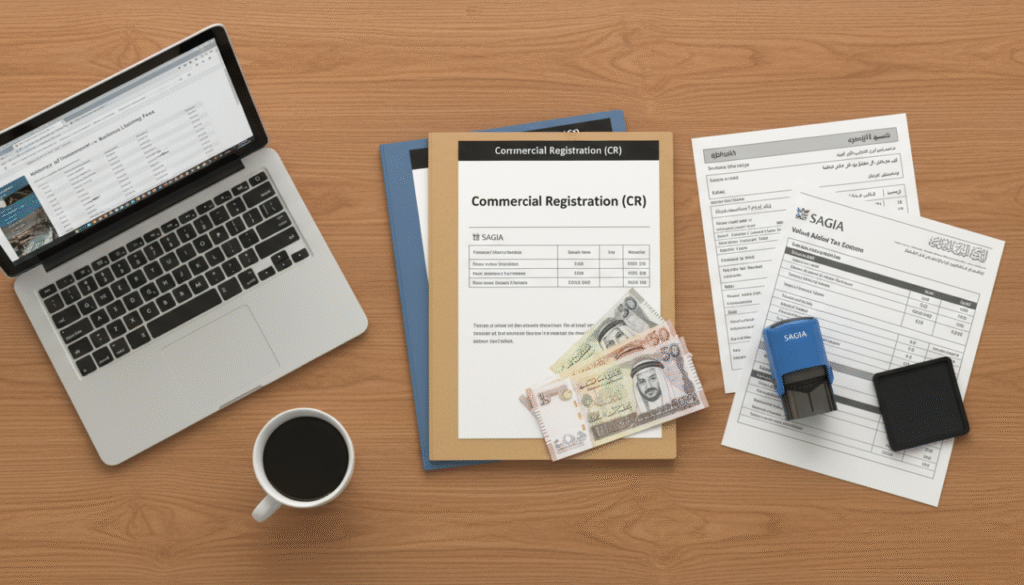
Establishing a coffee café in Saudi Arabia begins with proper business registration through the Ministry of Commerce and Investment. The commercial registration (CR) process requires multiple fee structures depending on the business entity chosen. Individual establishments typically face registration costs ranging from SAR 300 to SAR 1,000, while limited liability companies encounter fees between SAR 2,000 and SAR 5,000. Partnership structures fall within similar ranges, with additional documentation requirements that may incur extra processing charges.
The registration process includes mandatory name reservation fees of approximately SAR 200, along with publication costs in the Official Gazette averaging SAR 150. Amendment fees for any changes to business activities or ownership structures can reach SAR 500 per modification. Annual renewal fees for commercial registration range from SAR 200 to SAR 1,500, depending on the business size and classification. These coffee shop business costs in Saudi Arabia represent essential legal requirements that cannot be avoided or delayed.
Municipality Health and Safety Permits
Local municipality approvals form a critical component of cafe startup costs in the Middle East, particularly for food service establishments. Building permits for renovations or new constructions typically cost between SAR 2,000 and SAR 8,000, depending on the project scope and location. Fire safety certificates require separate applications with fees ranging from SAR 500 to SAR 2,000, including mandatory fire extinguisher installations and emergency exit compliance.
Municipal health permits specifically target food preparation areas, requiring detailed facility inspections and staff health certifications. These permits cost approximately SAR 1,500 to SAR 3,500 annually, with additional charges for re-inspections if initial assessments fail compliance standards. Signage permits add another SAR 300 to SAR 1,000 to the budget, while parking and accessibility compliance may require additional fees ranging from SAR 500 to SAR 2,500.
Saudi Food and Drug Authority Certification
The Saudi Food and Drug Authority (SFDA) certification represents one of the most significant regulatory expenses for coffee establishments. Food service license costs in Saudi Arabia through SFDA range from SAR 3,000 to SAR 10,000 depending on the facility size and service scope. Initial facility inspections carry separate charges of SAR 1,000 to SAR 2,500, with potential re-inspection fees if standards are not met during the first assessment.
Staff food handling certification requirements add operational complexity and costs. Each employee must complete SFDA-approved training programs costing SAR 200 to SAR 400 per person, with mandatory renewals every two years. Menu approval processes for prepared foods require detailed nutritional analysis and labeling compliance, adding approximately SAR 1,500 to SAR 3,000 to initial setup costs. Import permits for specialty coffee equipment or ingredients may require additional SFDA documentation fees ranging from SAR 500 to SAR 1,200 per application.
Zakat and Tax Obligations for Small Businesses
Understanding restaurant investment obligations in Saudi Arabia includes navigating the updated tax landscape following Vision 2030 reforms. Value Added Tax (VAT) registration becomes mandatory for businesses with annual revenues exceeding SAR 375,000, though voluntary registration is available for smaller operations. VAT compliance requires dedicated accounting systems and may necessitate professional consultation services costing SAR 2,000 to SAR 5,000 annually.
Zakat obligations apply to Saudi nationals and GCC citizens, calculated at 2.5% of net worth annually. While this may seem manageable, proper Zakat assessment requires detailed asset valuations and professional guidance, particularly for businesses with equipment financing or inventory fluctuations. Corporate income tax affects foreign-owned establishments at rates up to 20%, requiring quarterly filings and annual audits that can cost between SAR 5,000 and SAR 15,000 annually depending on business complexity.
Withholding tax obligations on foreign contractor payments, employee benefits, and certain service fees create additional compliance requirements. Professional tax advisory services become essential for navigating these obligations, with monthly retainer fees ranging from SAR 1,500 to SAR 4,000 for comprehensive compliance support.
Hidden Costs That Could Impact Your Budget

Marketing and Brand Promotion Expenses
Building brand awareness for a coffee shop business in Saudi Arabia requires significant investment beyond the initial launch. Digital marketing campaigns across platforms like Instagram, Snapchat, and TikTok are essential for reaching Saudi consumers, with monthly advertising budgets ranging from SAR 3,000 to SAR 15,000 depending on location and target audience.
Grand opening promotions, loyalty program setup, and ongoing social media content creation add substantial costs. Professional photography for menu items and café ambiance typically costs SAR 2,000 to SAR 5,000 quarterly. Local influencer partnerships, increasingly popular in the Saudi market, can range from SAR 1,000 to SAR 10,000 per collaboration.
Print materials, promotional merchandise, and seasonal campaign materials require continuous budget allocation. Many café owners underestimate the ongoing nature of marketing expenses, assuming initial promotion efforts will sustain long-term customer acquisition.
Insurance Coverage and Risk Management
Comprehensive insurance coverage represents a critical expense often overlooked in initial coffee shop investment calculations. Commercial property insurance for equipment, inventory, and fixtures typically costs SAR 8,000 to SAR 20,000 annually, depending on café size and location.
Public liability insurance protects against customer injury claims and property damage, costing approximately SAR 3,000 to SAR 8,000 per year. Employment practices liability insurance, while not mandatory, provides valuable protection against workplace-related lawsuits and costs around SAR 2,000 to SAR 5,000 annually.
Business interruption insurance covers lost income during unexpected closures due to equipment failure, natural disasters, or other unforeseen circumstances. This coverage typically adds SAR 4,000 to SAR 12,000 to annual insurance expenses but proves invaluable during extended operational disruptions.
Maintenance and Equipment Replacement Reserves
Coffee equipment requires regular maintenance and eventual replacement, creating ongoing financial obligations beyond initial purchase costs. Professional espresso machines need quarterly servicing costing SAR 500 to SAR 1,500 per visit, while annual deep cleaning and calibration can cost SAR 2,000 to SAR 4,000.
Grinder maintenance, refrigeration system servicing, and point-of-sale system updates add to monthly operational expenses. Establishing a replacement reserve fund becomes essential as commercial coffee equipment typically requires replacement every 5-7 years, with espresso machines costing SAR 15,000 to SAR 50,000 for quality commercial units.
HVAC system maintenance in Saudi Arabia’s extreme climate conditions requires special attention, with quarterly servicing costing SAR 1,000 to SAR 3,000 and potential major repairs reaching SAR 10,000 to SAR 25,000. Building a maintenance reserve of 3-5% of equipment value annually helps manage these predictable expenses.
Seasonal Fluctuation Buffer Funds
Saudi Arabia’s extreme summer temperatures significantly impact café foot traffic, particularly for establishments without adequate indoor climate control. Revenue can drop 20-40% during peak summer months (June through September), requiring substantial cash reserves to maintain operations.
Ramadan periods also affect operational patterns, with different customer traffic flows and adjusted operating hours impacting revenue streams. Tourist-dependent locations experience additional seasonal variations, particularly in cities like Jeddah and Riyadh where business travel fluctuates.
Energy costs spike dramatically during summer months due to increased air conditioning usage, potentially doubling electricity expenses. Smart café operators maintain buffer funds equivalent to 3-6 months of operational expenses to navigate these predictable seasonal challenges without compromising service quality or staff retention.
Professional Services and Consultation Fees
Ongoing professional services create recurring expenses often underestimated in café operational expenses Saudi Arabia calculations. Monthly accounting and bookkeeping services cost SAR 1,500 to SAR 4,000, depending on business complexity and transaction volume.
Legal consultation for contract reviews, employee issues, and regulatory compliance typically costs SAR 300 to SAR 800 per hour, with many café owners requiring 10-20 hours of legal services annually. Food safety consultants may be necessary for maintaining health department compliance, costing SAR 2,000 to SAR 5,000 for quarterly assessments.
Business consulting for operational improvements, menu optimization, and expansion planning ranges from SAR 200 to SAR 600 per hour. Many successful café owners invest in ongoing professional development and industry training programs, adding SAR 3,000 to SAR 8,000 annually to operational budgets.
Marketing consultants specializing in Saudi consumer behavior and cultural preferences can provide valuable insights for sustained growth, typically charging SAR 5,000 to SAR 15,000 for comprehensive market analysis and strategic planning services.
Smart Cost-Cutting Strategies to Maximize Your Investment

Franchise vs Independent Setup Cost Comparison
When weighing franchise opportunities against independent coffee shop setups in Saudi Arabia, the financial implications vary significantly. Franchise agreements typically require initial fees ranging from SAR 75,000 to SAR 300,000, depending on the brand’s market position. Popular international chains like Tim Hortons or Dunkin’ command premium franchise fees, while regional brands offer more affordable entry points.
Independent establishments eliminate franchise fees entirely but demand greater investment in brand development and marketing. The coffee shop business cost Saudi Arabia operators face includes SAR 40,000-80,000 for professional branding, logo design, and initial marketing campaigns. However, independent owners retain complete control over menu pricing, supplier relationships, and operational decisions.
Franchises provide established supply chains and negotiated pricing agreements, often resulting in 15-20% savings on inventory costs. Independent operators must build these relationships from scratch but enjoy flexibility in sourcing premium local coffee beans or specialty ingredients that distinguish their offerings.
| Cost Factor | Franchise | Independent |
|---|---|---|
| Initial Setup | SAR 75,000-300,000 | SAR 0 |
| Branding/Marketing | Included | SAR 40,000-80,000 |
| Ongoing Royalties | 4-8% of revenue | None |
| Supplier Flexibility | Limited | Complete |
Equipment Leasing vs Purchase Analysis
Equipment financing decisions significantly impact opening a cafe in Saudi Arabia budgets. Commercial coffee machines, refrigeration units, and point-of-sale systems represent substantial upfront investments totaling SAR 150,000-250,000 for quality equipment.
Leasing arrangements reduce initial capital requirements by 60-70%, allowing entrepreneurs to preserve working capital for operational expenses. Monthly lease payments typically range from SAR 3,000-8,000 depending on equipment value and lease terms. Many leasing companies in Saudi Arabia offer maintenance packages, reducing unexpected repair costs and ensuring consistent equipment performance.
Purchase strategies work best for established businesses with strong cash flow. Outright purchases eliminate monthly payments and provide tax depreciation benefits. Equipment ownership also enables modifications and upgrades without lease agreement restrictions.
Key considerations include:
- Lease terms: 2-5 year agreements with buyout options
- Maintenance coverage: Comprehensive service packages reduce downtime
- Technology updates: Leasing facilitates equipment upgrades
- Cash flow impact: Monthly payments versus large upfront costs
Bulk Purchasing and Supplier Negotiation Tips
Strategic procurement practices can reduce coffee shop investment Saudi Arabia costs by 20-30% annually. Establishing relationships with multiple suppliers creates competitive pricing opportunities and ensures consistent inventory availability.
Coffee bean purchases represent the largest commodity expense, accounting for 25-30% of total food costs. Negotiating quarterly contracts with roasters provides price stability and volume discounts. Orders exceeding 500kg monthly typically qualify for 12-15% bulk pricing reductions.
Non-perishable items like cups, lids, napkins, and cleaning supplies offer the greatest bulk purchasing advantages. Forming purchasing cooperatives with neighboring businesses increases buying power and reduces individual storage requirements.
Effective negotiation strategies include:
- Payment terms: 30-45 day payment schedules improve cash flow
- Minimum order quantities: Balance inventory costs with discount opportunities
- Quality standards: Establish clear specifications to avoid disputes
- Delivery schedules: Coordinate shipments to reduce handling costs
- Seasonal contracts: Lock in favorable pricing during low-demand periods
Building strong supplier relationships extends beyond pricing negotiations. Reliable partners provide market insights, introduce new products, and offer flexible terms during challenging periods. Regular communication and prompt payments strengthen these partnerships and often result in preferential treatment during supply shortages.
Starting a coffee café in Saudi Arabia requires careful financial planning across multiple cost categories. The initial investment covers everything from equipment and interior design to securing the right location, while ongoing expenses like rent, staff salaries, and inventory will determine long-term profitability. Saudi-specific requirements add another layer of costs through licensing fees, compliance measures, and regulatory obligations that can’t be overlooked.
The hidden expenses often catch new café owners off guard, from unexpected maintenance costs to seasonal fluctuations in customer traffic. Smart entrepreneurs who research thoroughly, negotiate effectively with suppliers, and implement energy-efficient practices can significantly reduce their overall investment. Success in the Saudi coffee market comes down to realistic budgeting, understanding local regulations, and building in financial cushions for unexpected challenges that inevitably arise in the food service industry.
Check out the Best Cafes in Riyadh


1 Comment